Projects must be managed.
To success.

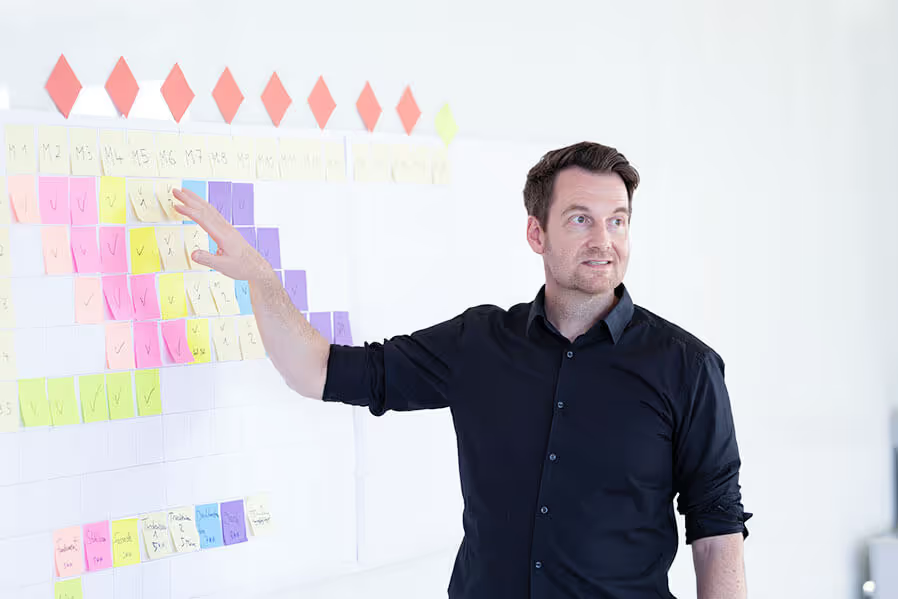
// Assumption of project control and project leadership tasks
// From project preparation to project completion
// Delivery of special services as required by the project
// Provision of supplementary service profiles in project management
"The support and management of construction projects must be tailored as individually as the projects themselves. This requires a broadly positioned partner to successfully cover all aspects from project structure planning to commissioning management."

Related References







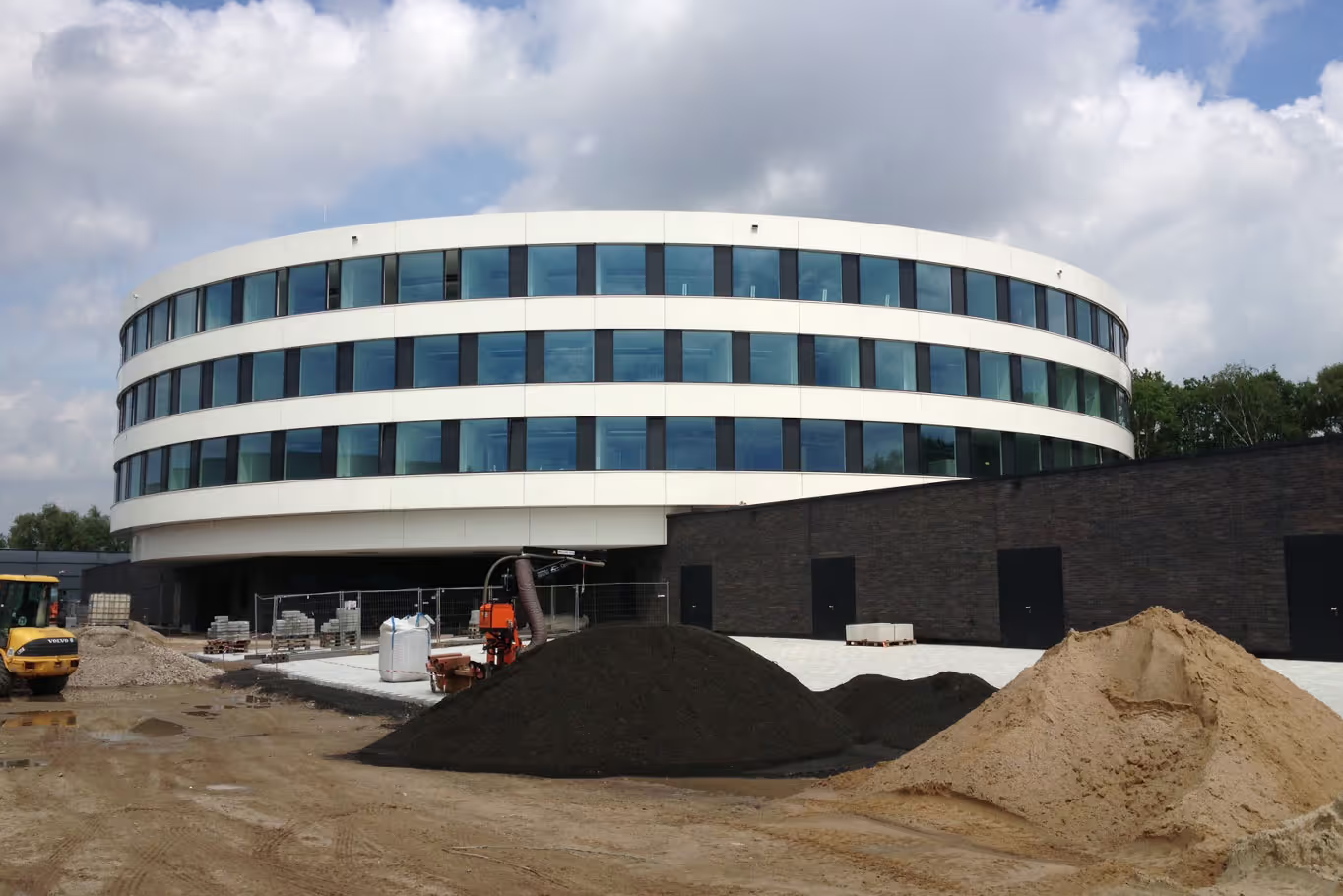





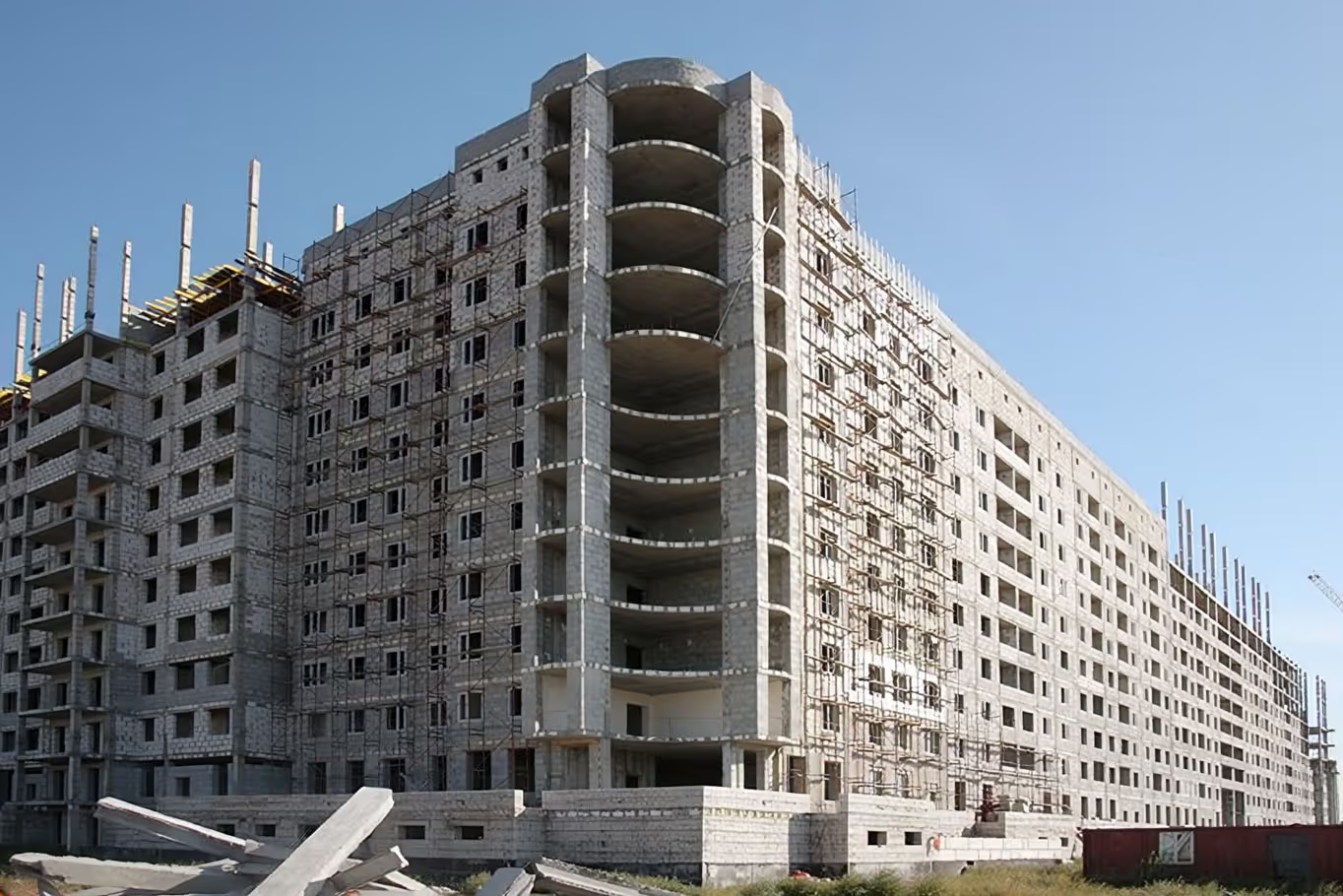


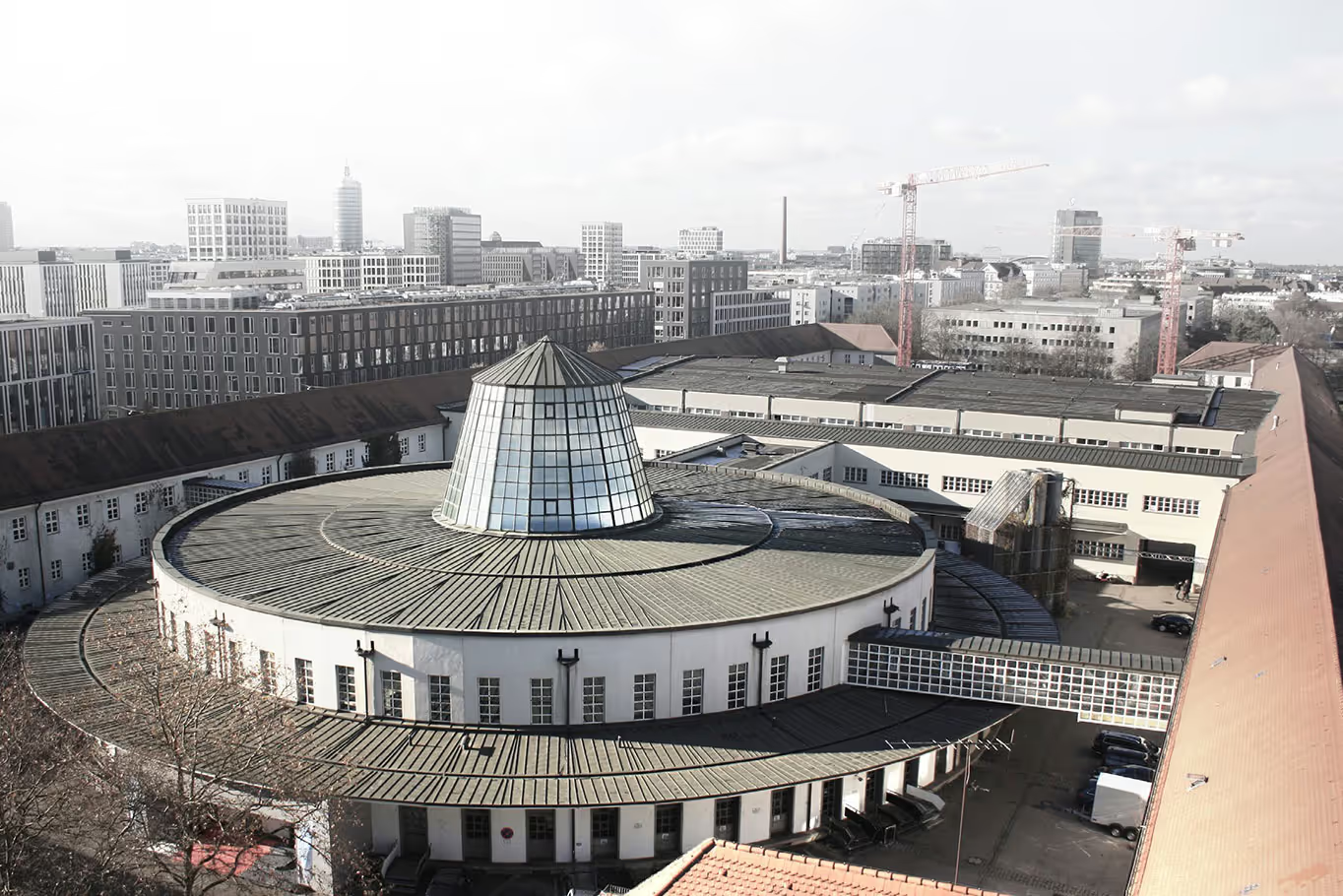
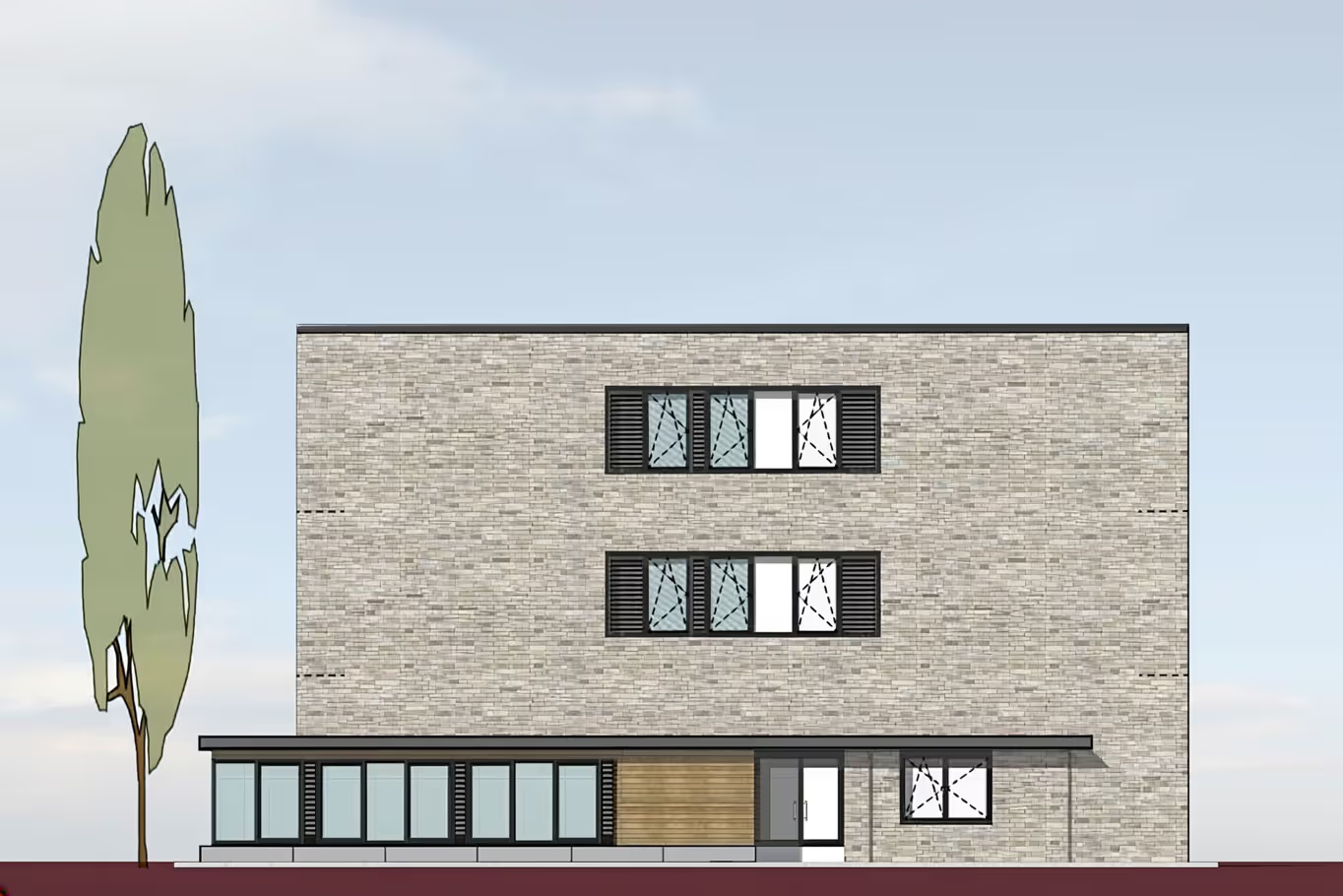

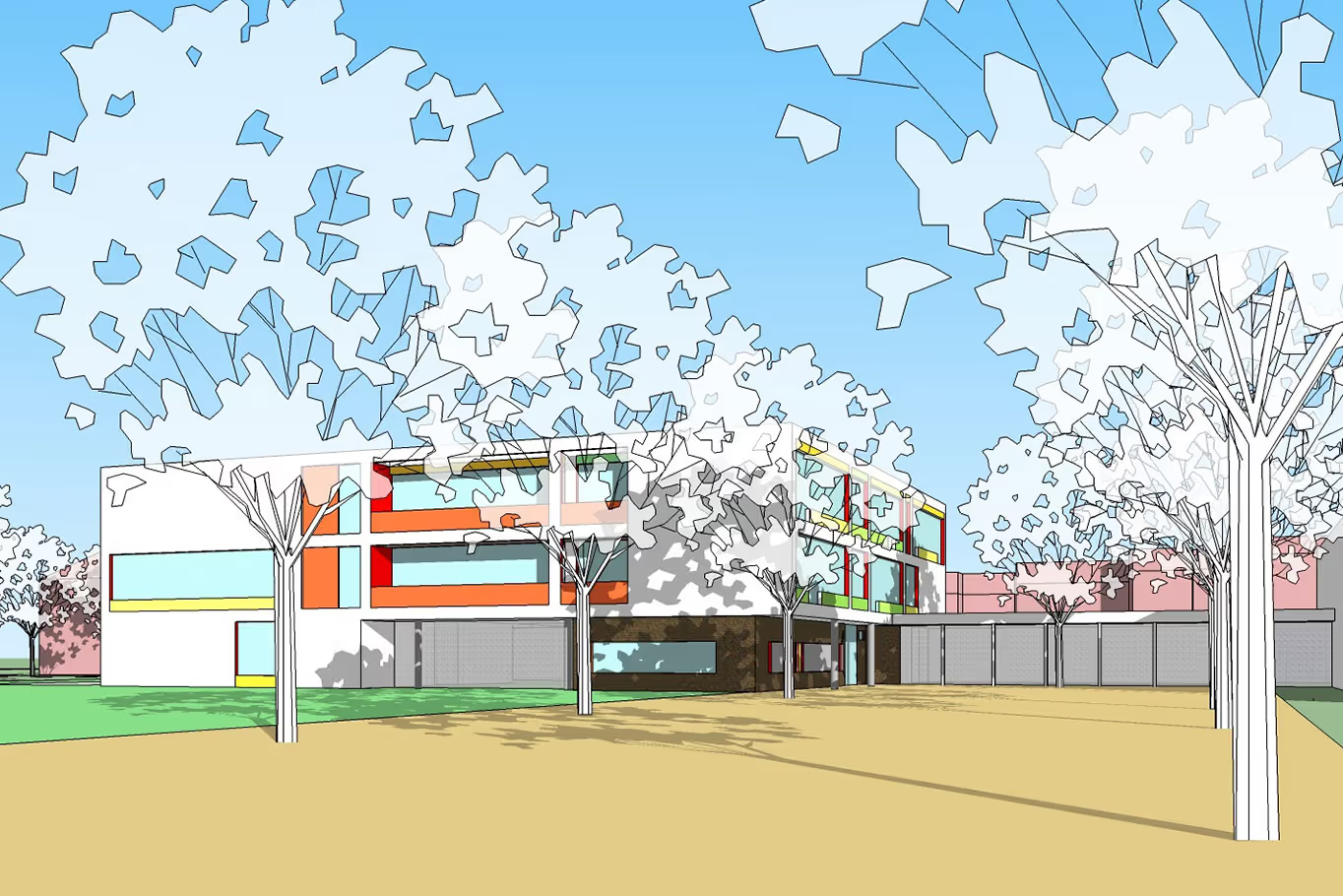
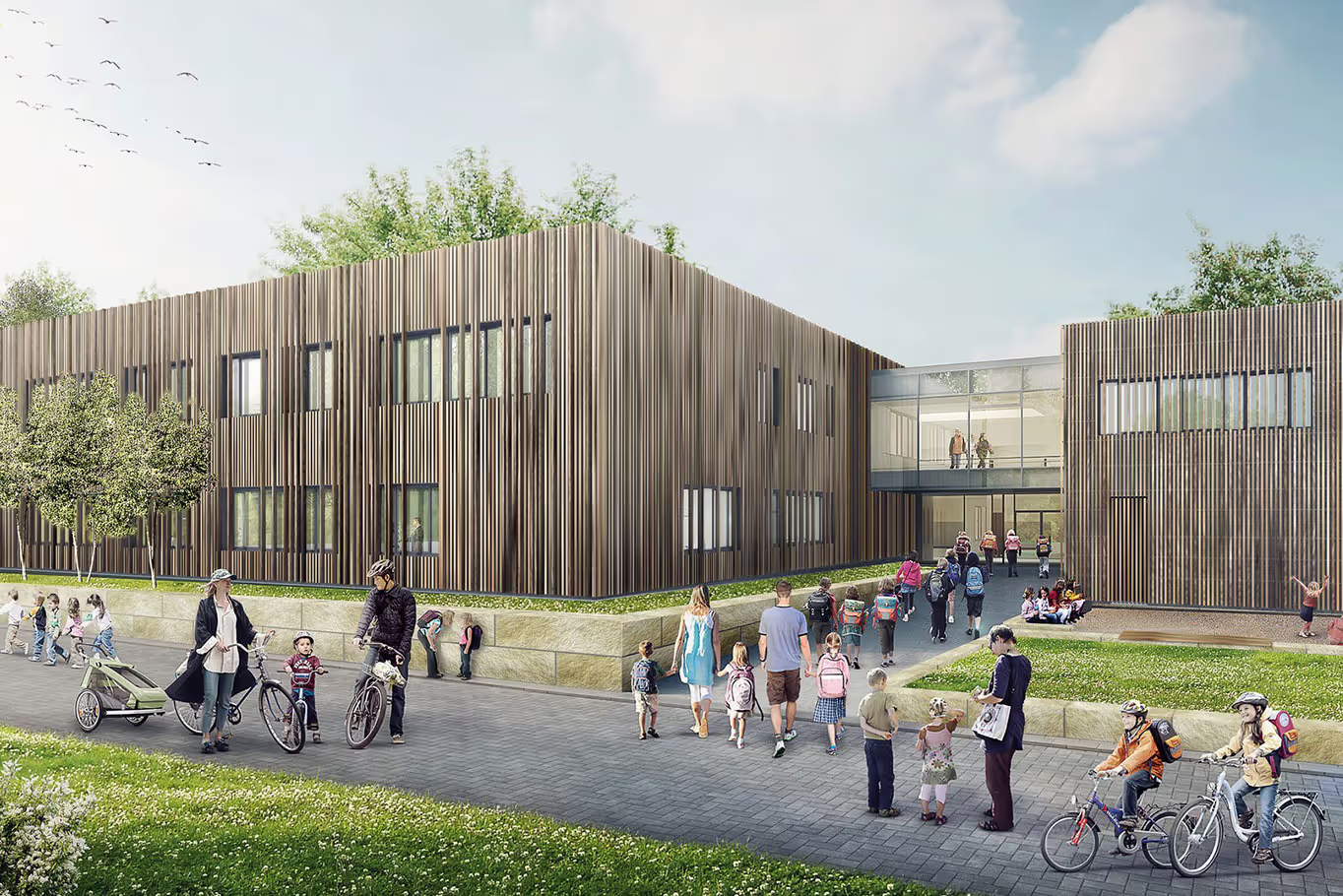
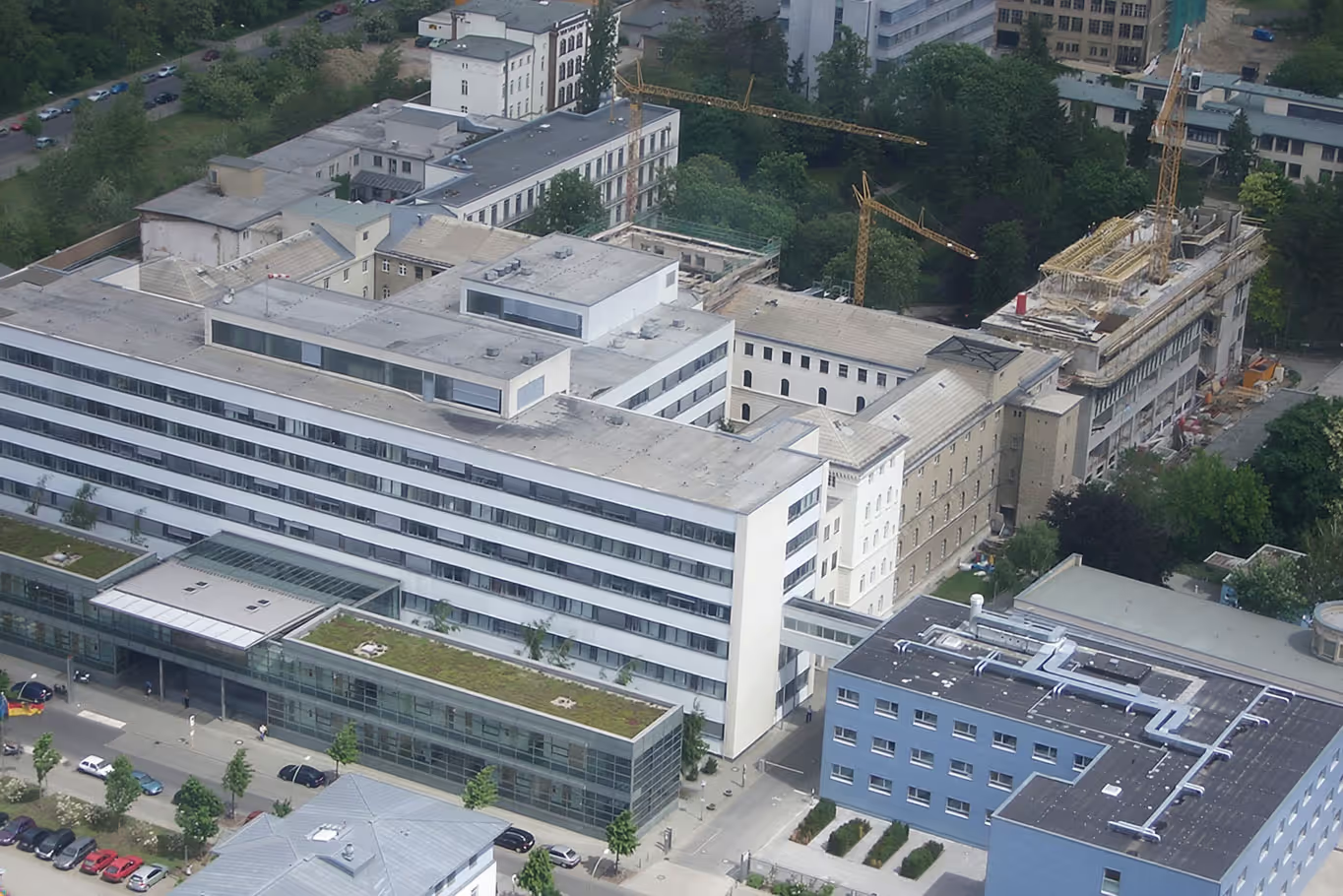


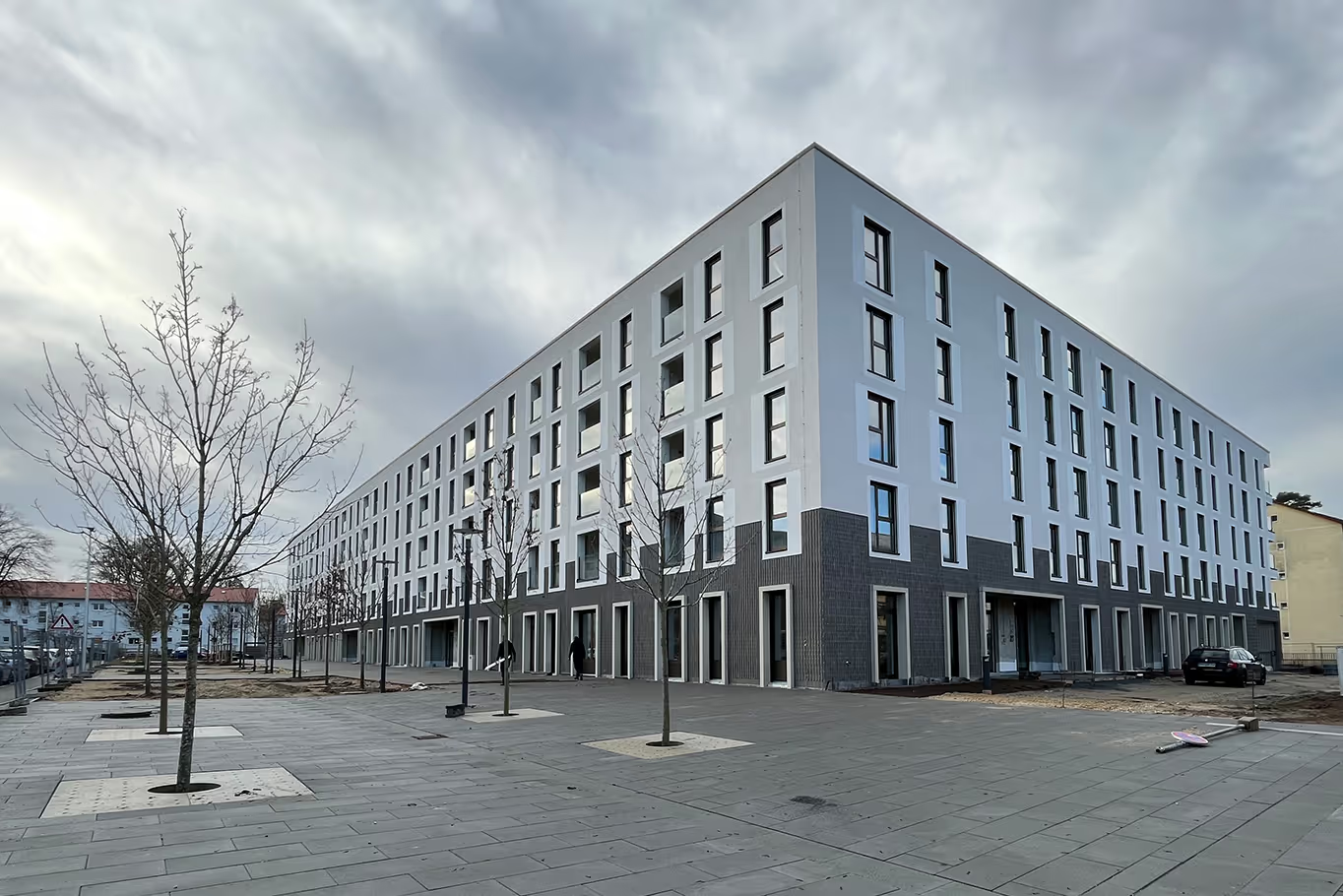

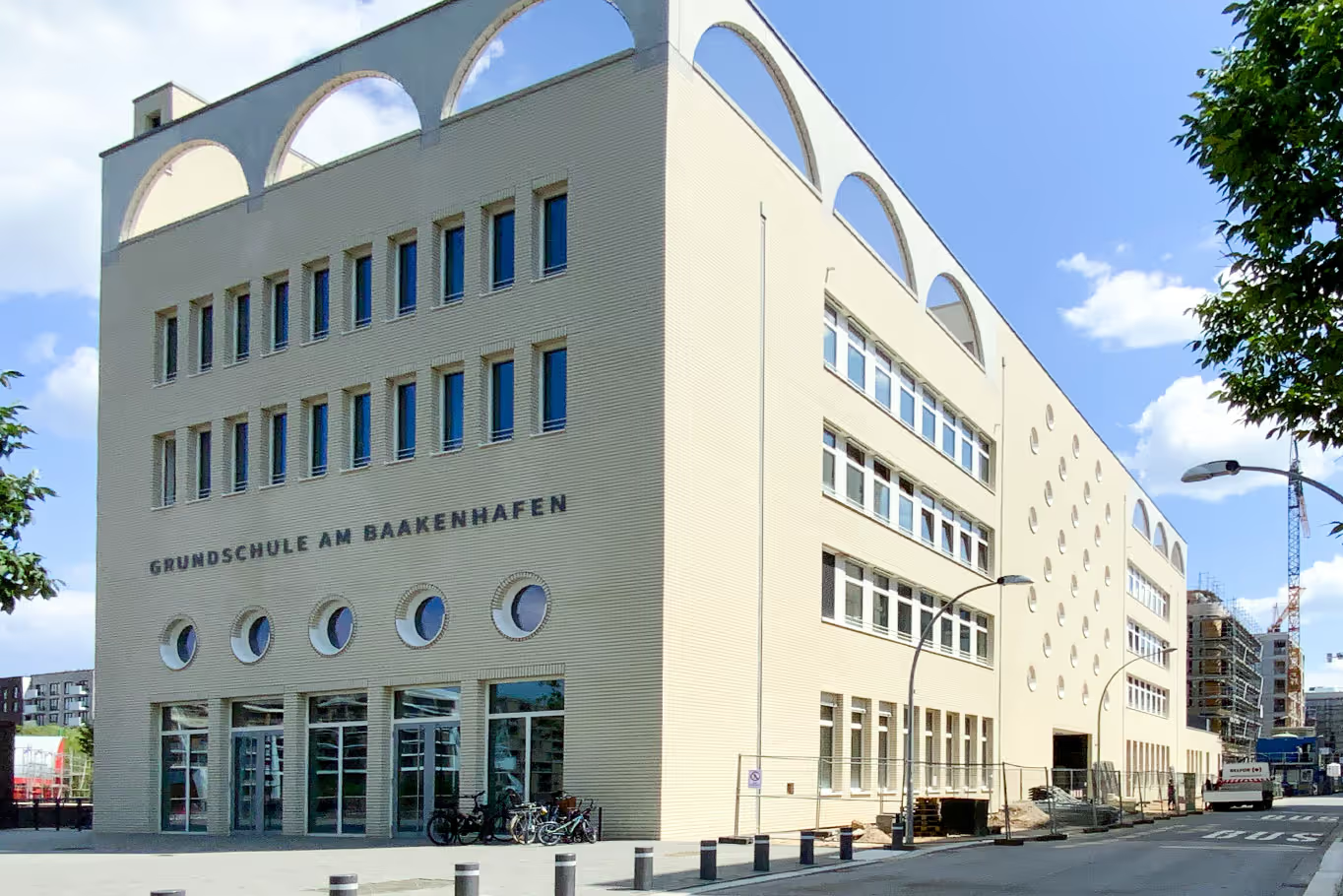


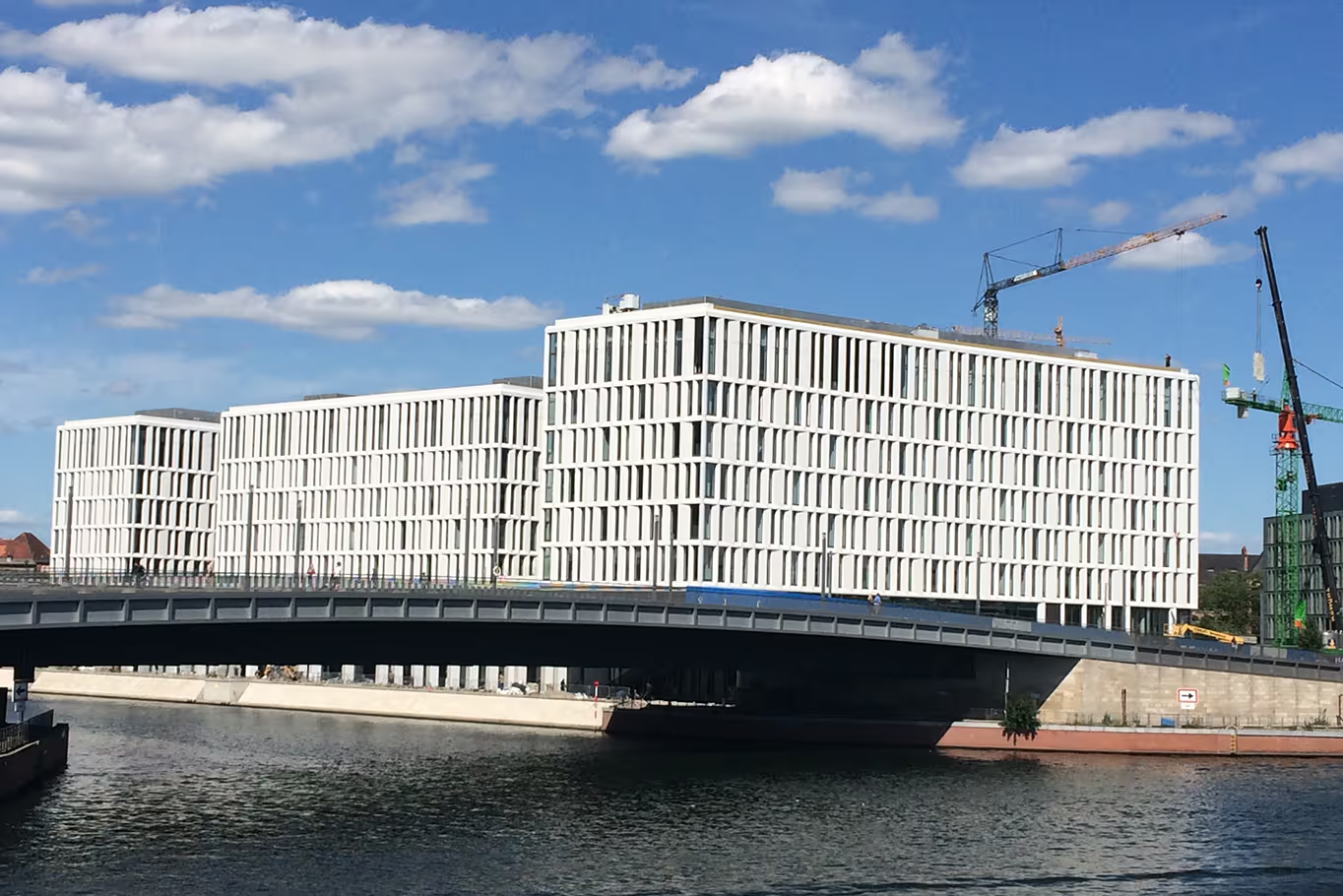

We are robustly positioned. In all areas relevant to construction operations and the construction and real estate industry, we have numerous experts.


















What you want to know about project management
What is the difference between project control and project leadership?
Which services does project management at KVL cover in concrete terms?
What is LEAN management and how does KVL apply it in construction projects?
What added value does professional BIM management offer?
How does risk management work in project management at KVL?
What is meant by project monitoring / project controlling?
What kinds of construction projects does KVL manage?
Is there specialist literature from KVL on project management?


Construction Mediation
Contractual disputes in the construction industry are increasingly tying up significant human and financial resources. Long-running legal battles severely hinder both business and personal relationships, making future collaboration difficult or even impossible.
To avoid such disputes, mediation has become an effective out-of-court conflict resolution process. The procedure is voluntary and consensus-oriented. All parties involved in the conflict participate in the process. An impartial mediator supports the parties in developing a consensus-based solution through a fair process. The mediator is responsible for professionally facilitating the process to encourage consensus. Mediation typically concludes with a binding, actionable agreement between the parties to resolve the conflict. By developing solutions together and taking personal responsibility for the outcome, the parties are able to build sustainable, long-term relationships that extend well beyond the process itself.
This book introduces mediation as an out-of-court conflict resolution method and demonstrates its application using real-world case studies from the construction industry. It draws on experience from Germany, Austria, and Switzerland.
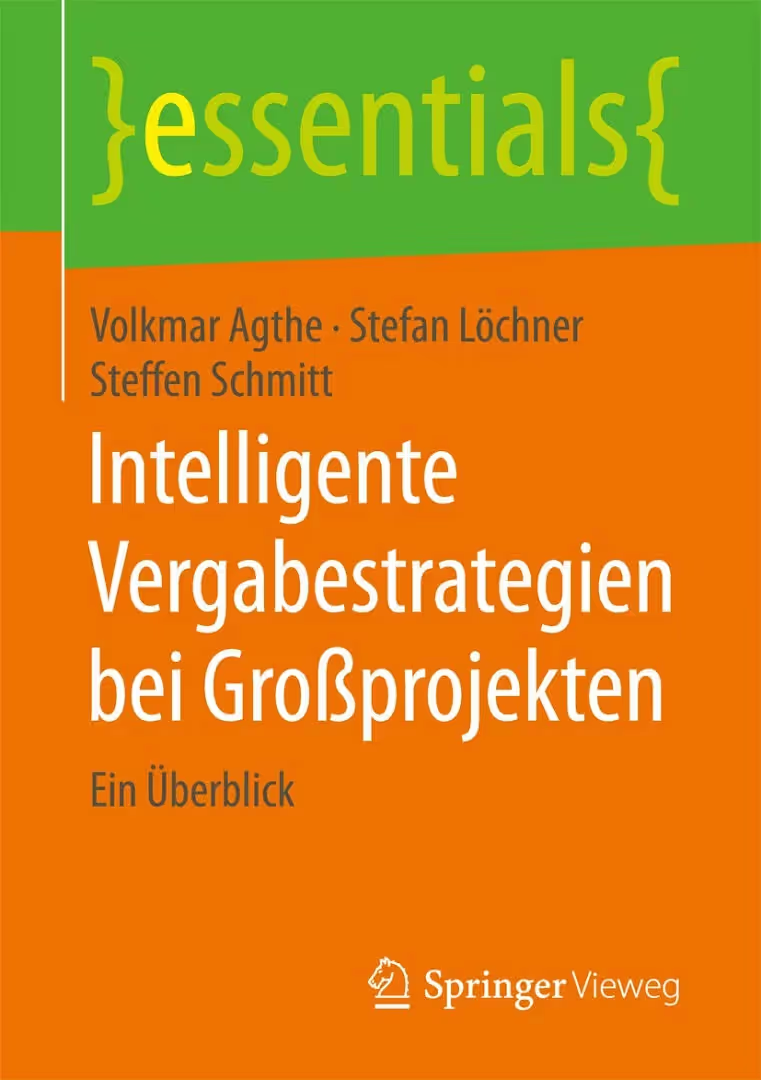
Intelligent Procurement Strategies for Major Projects
An Overview
The authors examine the prerequisites for a successful procurement strategy in major projects. They begin by analyzing the risks for those involved in construction and presenting various options for awarding planning and construction services. Subsequently, they discuss the possibilities and limitations of recently "trendy" procurement models, specifically Guaranteed Maximum Price (GMP) contracts and the appointment of construction managers. Building on this, and on an analysis of the typical structure of a (large) construction project, a procurement model is developed that accounts for the risks faced by project participants while providing the client with the necessary flexibility. This allows the client to realize a construction project that meets their expectations regarding cost, quality, and schedule within a competitive environment.
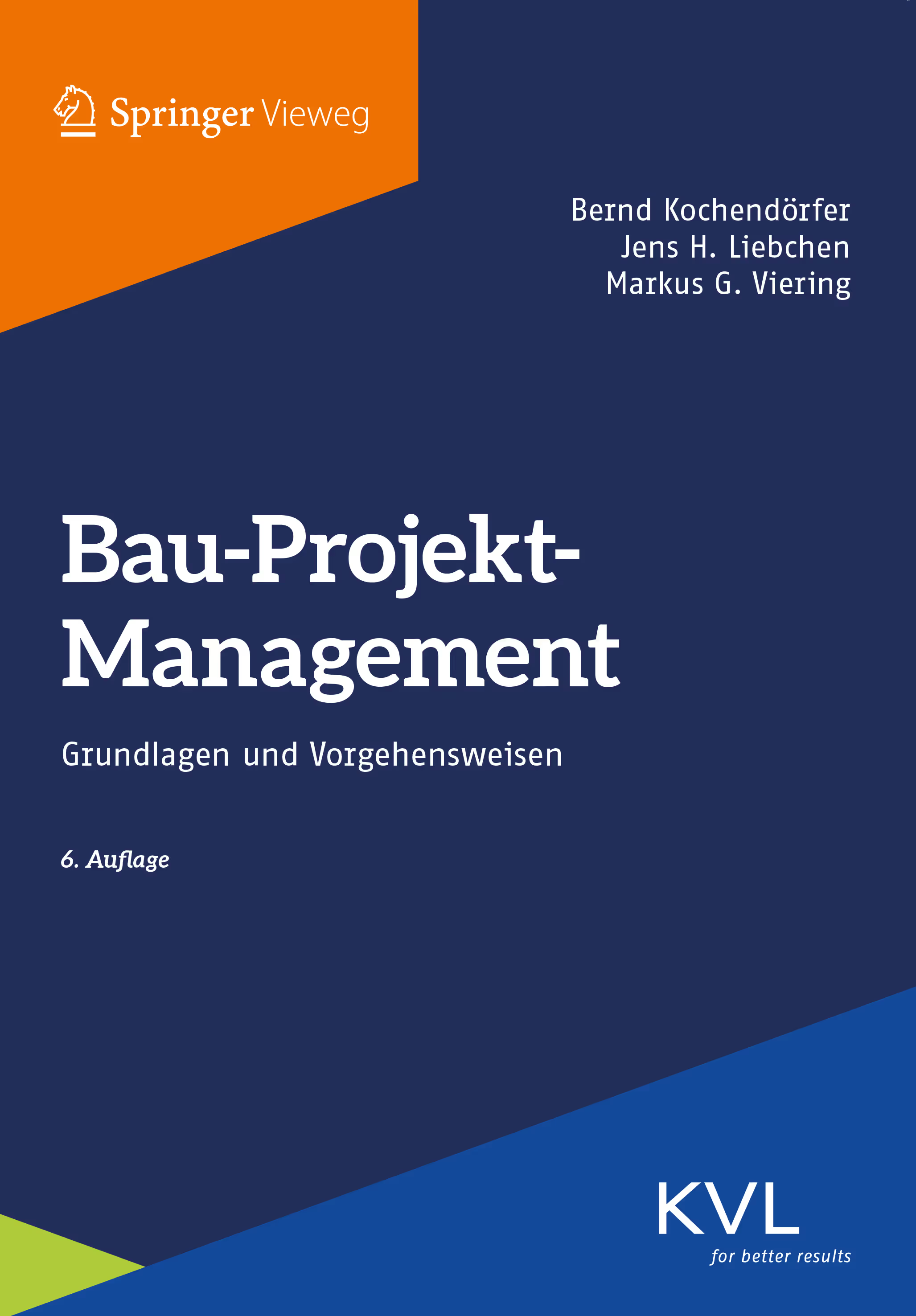
Construction Project Management
Fundamentals and Procedures
This textbook provides a systematic introduction to the project management of construction facilities. It explains the foundation for successfully executing construction projects with regard to economic, scheduling, and technological goals.
The authors provide precise answers to questions such as: What exactly does project management mean? What scope of services does it cover? What legal constraints must be considered? The reader is taught the methods in detail, from the initial project idea to final commissioning.
To ensure optimal process control during the planning and realization of construction facilities, all management fundamentals are explained and supplemented by numerous illustrations and practical examples. The authors have also dedicated a separate chapter to the use of new methods such as BIM and Lean Construction Management.
This successfully established book has become a structured foundation for goal-oriented project work in the construction industry.